Mulching and Shrub Planting Services in Norwell, MA
Mulching, Planting & Garden Bed Care
Fresh mulch, healthy shrubs, and well-kept garden beds can make a big difference in how your property looks. Over time, though, mulch fades, weeds take over, and plants outgrow their space. At Presidential Park Landscape, we provide professional mulching, shrub planting, and garden bed care in Norwell, MA, and throughout the South Shore. Whether you need a fresh layer of mulch around your home, new shrubs for privacy, or help bringing overgrown garden beds back into shape, our team can handle the work.
We've been helping local homeowners care for their landscapes since 1985, and we know how much the right plants and regular maintenance can improve a yard.
Call 781-659-2645 to request a mulching or planting estimate.
Get a free quote
Contact Us
Professional Mulch Installation for South Shore Landscapes
Mulch does more than make your garden beds look neat.
A properly applied layer of mulch helps protect the soil, hold moisture, and reduce weed growth. It also gives planting beds a clean border against your lawn, driveway, or walkway.
Here in Massachusetts, mulch can be especially helpful during hot summer weather and throughout the changing seasons.
We install mulch around:
- Foundation planting beds
- Trees and shrubs
- Flower gardens
- Walkways and patios
- Driveway borders
- Raised landscape beds
- Commercial property entrances
- Larger landscaped areas
Before installing fresh mulch, we can remove weeds, clear debris, and prepare the beds so the finished result looks clean and even.
Choosing the Right Mulch
There are several types of mulch available, and each has a different appearance and purpose.
- Natural brown mulch: A popular choice that blends well with most homes and landscapes. It gives beds a neat, natural appearance.
- Dark brown or black mulch: Creates more contrast against green shrubs and colorful flowers. Dyed mulches can maintain their color longer, although fading varies by product and sun exposure.
- Pine bark mulch: A good option for many ornamental planting beds. Pine bark comes in different sizes, from fine particles to larger nuggets.
- Natural wood chips: Often useful for larger landscape areas, woodland borders, and around established trees.
We'll help you choose a mulch that works with your plants, soil conditions, and the appearance you want.
How Much Mulch Should You Use?
More mulch isn't always better.
For most garden beds, a layer around 2 to 3 inches deep is a good starting point.
Too little mulch may not do much to control weeds or hold moisture. Too much can keep the soil overly wet and reduce airflow around plant roots.
It's also important to keep mulch away from tree trunks and shrub stems.
You've probably seen trees with large piles of mulch built up around the trunk. This is sometimes called volcano mulching, and it can trap moisture against the bark.
We spread mulch evenly and leave space around the base of plants.
Shrub Planting for Privacy, Color, and Curb Appeal

Shrubs are an important part of a well-designed landscape.
They can soften the appearance of a house, provide privacy, add seasonal color, and help define different areas of your yard.
But choosing shrubs based only on how they look at the garden center can lead to problems later.
A small plant may grow much wider or taller than expected. Others may struggle because they don't get enough sunlight or because the soil stays too wet.
We help homeowners select shrubs that fit the space and growing conditions.
Foundation Shrub Planting
Foundation plantings are the shrubs and plants around the base of your home.
They help connect the house to the surrounding landscape.
We can replace overgrown shrubs, fill empty spaces, or create a new planting layout.
When planning foundation beds, we consider mature plant size, sunlight, drainage, and access to windows, siding, and walkways.
The goal is to choose plants that won't need constant heavy pruning just to fit the space.
Privacy Shrubs and Screening Plants
If your backyard feels too exposed, planting shrubs or evergreens may help create a more private outdoor area.
Popular options for South Shore landscapes can include arborvitae, certain hollies, and other hardy evergreen varieties.
The right choice depends on the amount of space available, sunlight, soil moisture, and exposure to winter wind.
Coastal properties in places like Scituate, Hull, and Cohasset may also need plants that can tolerate salt spray and stronger winds.
We'll discuss the level of screening you want and how much room the plants will have as they mature.
Flowering Shrubs and Seasonal Color
Flowering shrubs can add interest to a landscape without requiring you to replant the entire garden every year.
Hydrangeas are a familiar sight throughout the South Shore. Other choices may include viburnum, spirea, and suitable native flowering shrubs.
We consider bloom time, mature size, and maintenance needs when selecting plants.
Mixing shrubs that flower at different times can help keep a garden interesting from spring into fall.
Book a free consult
Tell us about your dream yard
Tree and Perennial Planting
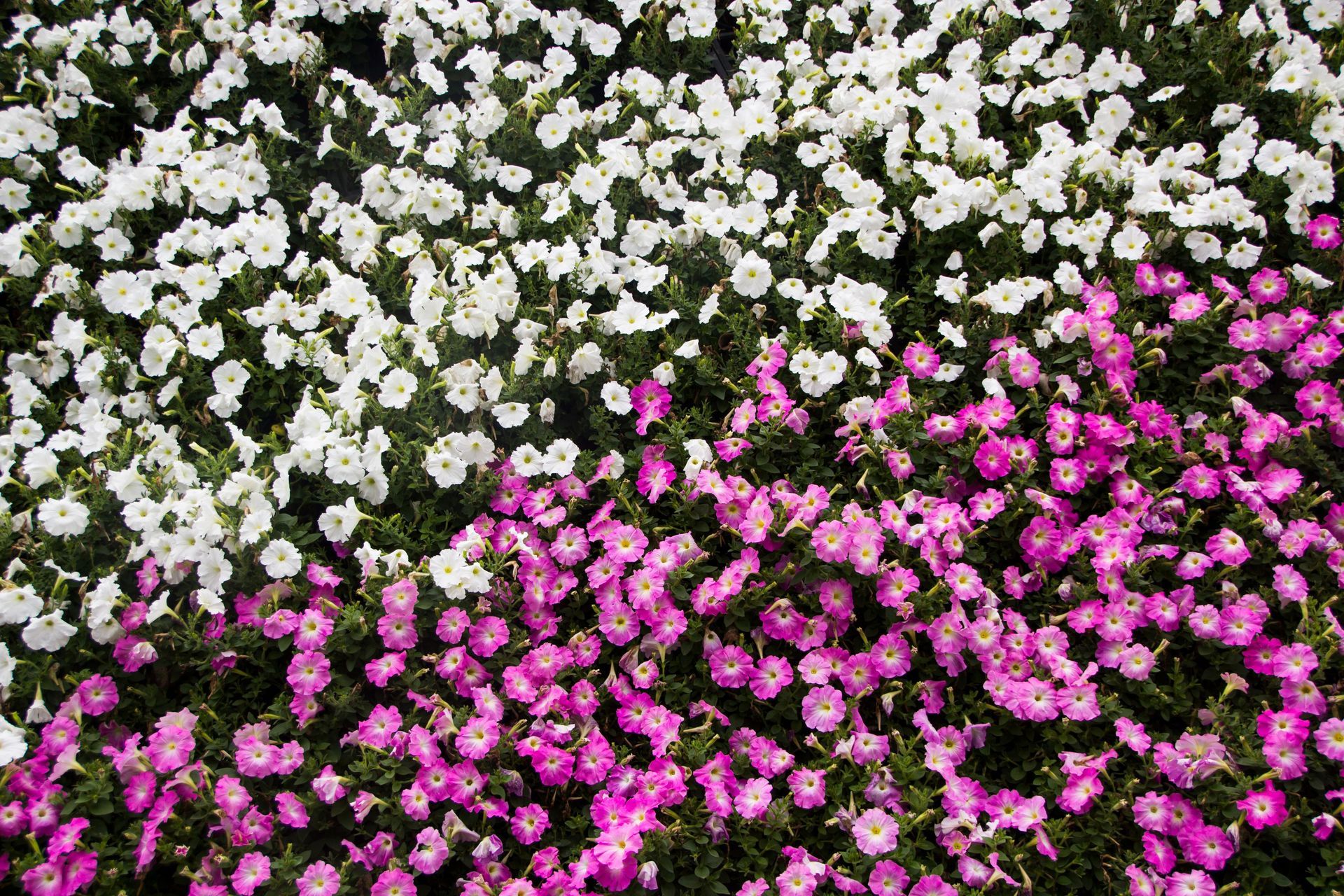

Shrubs aren't the only plants that can improve your landscape.
We can also help plan and install trees and perennial plantings that work with your yard.
Ornamental Trees
Small ornamental trees can create a focal point near a patio, front entrance, or garden.
Depending on the site, options may include serviceberry, redbud, or other trees suited to Massachusetts growing conditions.
Before planting, we look at the tree's mature height, root space, and distance from buildings and overhead wires.
Perennial Garden Planting
Perennials return year after year when they're suited to the site and properly cared for.
They can add color, texture, and variety to garden beds.
For sunny areas, plants such as coneflowers, black-eyed Susans, and certain ornamental grasses may be good choices.
Shady beds may be better suited to hostas, ferns, and other shade-tolerant plants.
We can combine perennials with shrubs and mulch to create planting beds that look good through more than one season.
Garden Bed Installation and Renovation
Sometimes a garden bed needs more than fresh mulch.
Maybe the shrubs are crowded, the edging has disappeared, or weeds have taken over the entire area.
We can help bring existing planting beds back into shape or create new ones.
Creating New Garden Beds
A new planting bed can improve the appearance of your front yard, add privacy along a property line, or define an outdoor seating area.
We start by planning the bed's size, shape, and location.
Then we prepare the soil, install the selected plants, and finish the area with mulch.
For beds next to lawns, we can also discuss edging options that make maintenance easier.
Renovating Overgrown Beds
Older planting beds can become crowded as shrubs and perennials grow.
Some plants may need to be removed, divided, or replaced.
We can clear unwanted growth, reshape the bed, and add new plants where needed.
In some cases, keeping a few healthy established shrubs and updating the surrounding plants is enough to give the area a fresh appearance.
Garden Bed Edging
A defined edge helps separate mulch from grass and keeps the landscape looking neat.
Depending on your preference, we can discuss natural cut edges or more permanent borders.
For homeowners who want a stone finish, our cobblestone edging services can create a durable border around planting beds and walkways.
Our Mulching and Planting Process
Every property is different, so we start by looking at the existing landscape before recommending work.
1. Property Visit
We visit your property and discuss what you'd like to improve.
We'll look at existing plants, sunlight, soil conditions, drainage, and the size of your planting beds.
If you're adding shrubs, we'll also talk about privacy, color, and how much maintenance you're comfortable with.
2. Plant and Material Selection
Next, we help choose suitable plants and mulch materials.
We consider mature plant size, growing conditions, and how the new plantings will fit with your home and existing landscape.
3. Bed Preparation
Before planting or mulching, we prepare the area.
This may include removing weeds, clearing debris, taking out unwanted plants, loosening soil, or adjusting the bed's shape.
For new planting areas, soil testing can help determine whether amendments are needed.
4. Plant Installation
We dig planting holes suited to each plant's root system and position the plants at the proper depth.
Planting too deeply can cause long-term problems, especially for trees and shrubs.
We also pay attention to spacing so the plants have room to grow.
5. Mulch Installation and Cleanup
Once the plants are in place, we spread mulch evenly across the beds.
We keep mulch away from trunks and stems and clean up the surrounding lawn, driveway, and walkways.
Before finishing, we'll discuss watering and basic care for your new plants.
How Much Do Mulching and Shrub Planting Services Cost?
The cost depends on the size of the project, the materials you choose, and how much preparation is needed.
Refreshing a few small garden beds is usually less expensive than removing old shrubs and installing an entirely new landscape.
Here are some broad planning estimates for residential landscaping work in Massachusetts:
- Mulch installation: $75–$150+ per cubic yard installed
- Small shrub planting: $75–$200+ per shrub installed
- Large or mature shrub planting: $200–$500+ per shrub installed
- Garden bed renovation: Custom estimate
- New planting bed installation: Custom estimate
These are general budgeting estimates, not confirmed Presidential Park Landscape prices. Plant size, material selection, site preparation, delivery, and access can affect the total.
What Affects Mulching and Planting Costs?
- Bed size: Larger planting areas require more mulch and labor.
- Mulch type: Material and delivery costs vary.
- Weed removal: Beds with heavy weed growth may need more preparation.
- Plant size: Larger shrubs and trees generally cost more to purchase and install.
- Plant selection: Specialty varieties and mature plants can increase the budget.
- Soil conditions: Poor drainage or compacted soil may require additional work.
- Existing plant removal: Taking out old shrubs and roots adds labor.
We'll review your property and provide an estimate based on the work you'd like done.
Call 781-659-2645 to request a mulching or shrub planting estimate.
When Is the Best Time to Mulch and Plant in Massachusetts?
Spring and fall are popular times for landscaping on the South Shore.
Spring Mulching and Planting
Spring is a good time to clean up garden beds, remove winter debris, and add fresh mulch.
It's also a suitable planting season for many shrubs, trees, and perennials.
We generally recommend waiting until the soil is workable rather than digging when the ground is still saturated.
Summer Planting and Maintenance
Planting can be done during summer, but hot weather creates more stress for new plants.
Extra watering is often needed while roots become established.
Mulch can help reduce moisture loss during dry periods.
Fall Planting and Bed Care
Early fall can be an excellent time to plant many trees and shrubs.
Cooler temperatures and warm soil can support root growth before winter.
Fall is also a good time to remove weeds, clean up planting beds, and prepare the landscape for colder weather.
The right planting window depends on the plant species and local conditions.
Caring for Newly Planted Shrubs and Trees
New plants need time to establish their roots.
Even shrubs that tolerate dry conditions once mature usually need regular watering after installation.
Here are a few basic care tips:
- Water deeply: Encourage moisture to reach the root area rather than only wetting the surface.
- Check the soil: Don't assume a plant needs water just because the surface looks dry.
- Keep mulch away from stems: Leave a small gap around trunks and the base of shrubs.
- Avoid heavy pruning: Give new plants time to establish unless pruning is needed for damaged branches.
- Watch for stress: Wilting, yellowing leaves, or unusually dry soil may signal a problem.
We'll discuss the care needs of the plants installed on your property.
Mulching and Planting as Part of Your Landscape Plan
Mulching and planting often work best alongside other landscape improvements.
If you're installing a new stone walkway, planting beds can help soften the edges and connect the path to the rest of your yard.
New shrubs can also add privacy around a stone patio or outdoor seating area.
For larger changes, our landscape design and installation services can help plan the placement of trees, shrubs, lawn areas, and hardscaping together.
We also offer lawn care and weekly mowing and seasonal yard cleanups to help keep your property looking neat throughout the year.
Mulching and Planting Services Across the South Shore
Presidential Park Landscape is based in Norwell, MA, and provides mulching, shrub planting, and garden bed maintenance throughout the South Shore.
We serve:
- Norwell, MA
- Hingham, MA
- Scituate, MA
- Hanover, MA
- Cohasset, MA
- Marshfield, MA
- Duxbury, MA
- Weymouth, MA
- Rockland, MA
- Pembroke, MA
- Hull, MA
- Braintree, MA
- Kingston, MA
- Plymouth, MA
Whether you're refreshing garden beds at a home in Norwell, adding privacy shrubs in Hingham, or planning new plantings for a coastal property in Scituate, we'll help you choose materials and plants suited to your yard.
Frequently Asked Questions About Mulching and Planting
How often should I replace mulch?
Many homeowners refresh mulch once a year, usually in spring. However, you don't always need to remove all the old mulch. If the existing layer is still in good condition, a lighter top-up may be enough to maintain the recommended depth.
What is the best mulch for garden beds in Massachusetts?
Natural shredded bark and other wood-based mulches work well for many landscape beds. The best choice depends on your plants, soil conditions, and preferred appearance. A layer around 2 to 3 inches deep is generally suitable.
When is the best time to plant shrubs in Norwell?
Spring and early fall are usually good times to plant many shrubs in Massachusetts. Cooler temperatures can reduce stress while roots establish. Some plants have more specific planting requirements, so timing should be based on the species.
Can you remove old shrubs and replace them with new ones?
Yes. We can remove unwanted or overgrown shrubs, prepare the planting area, and install new plants. We'll help you choose replacements that fit the available space and growing conditions.
What shrubs work well for privacy on the South Shore?
Certain arborvitae, hollies, and other hardy evergreens can provide screening. The best choice depends on sunlight, soil moisture, available space, and exposure to coastal winds. We recommend choosing plants based on their mature size rather than how they look when first planted.
Do you provide regular garden bed maintenance?
We offer landscape maintenance services and can discuss ongoing garden bed care based on your property's needs. This may include mulching, weeding, seasonal cleanup, and other agreed maintenance work.