Professional Lawn Installation in Norwell & South Shore, MA
New Lawn Installation: Sod & Hydroseeding
Starting a new lawn can make a big difference in how your property looks and feels. Maybe your backyard is mostly dirt after a construction project, or your existing grass has become thin, patchy, and full of weeds. At Presidential Park Landscape, we provide professional sod installation and hydroseeding in Norwell, MA, and throughout the South Shore. We help homeowners and businesses turn bare ground and worn-out lawns into healthy, green spaces.
Whether you want the immediate results of fresh sod or a more budget-friendly hydroseeded lawn, we'll help you choose the right method for your property.
Call 781-659-2645 to request a new lawn installation estimate.
Get a free quote
Contact Us
Sod Installation vs. Hydroseeding: Which Is Right for Your Yard?
There are two common ways to establish a new lawn: laying sod or planting grass seed.
Both can produce a beautiful lawn, but they work differently.
Sod gives you an established grass surface right away. Hydroseeding takes longer to grow but is often a more affordable option for larger areas.
The right choice depends on your budget, the condition of your property, how quickly you want results, and how much watering and care you're prepared to provide.
Sod Installation: A Green Lawn Right Away
Sod is grass that's already been grown on a farm. It arrives in rolls or slabs with roots and a thin layer of soil.
We prepare the ground, lay the sod, and fit the pieces together to create a continuous lawn.
Benefits of sod installation:
- Immediate green coverage
- Less exposed soil after installation
- A more uniform appearance from the start
- Useful for smaller lawns and highly visible areas
- Can establish faster than seed when properly watered
Sod still needs time to grow roots into the soil underneath. You can't treat it like a fully established lawn on installation day.
Regular watering is especially important during the first few weeks.
Sod generally costs more than hydroseeding because you're paying for mature turf, transportation, and installation labor.
Hydroseeding: A Practical Way to Grow a New Lawn
Hydroseeding uses a mixture of grass seed, water, mulch, and other ingredients applied with specialized equipment.
The mixture is sprayed evenly across prepared soil.
The mulch helps hold moisture around the seed while it germinates.
Benefits of hydroseeding:
- Often less expensive than sod
- Works well for larger lawn areas
- Seed mixtures can be selected for site conditions
- Can cover irregularly shaped areas
- Mulch helps protect seed during establishment
Hydroseeding isn't an instant lawn. You'll need to wait for the grass to germinate, fill in, and become strong enough for regular use.
It also requires consistent watering during the early stages.
Comparing Sod and Hydroseeding
- Appearance after installation: Sod is green immediately; hydroseeding starts as a seed and mulch covering.
- Time to usable lawn: Sod usually takes a few weeks, depending on rooting; hydroseeding often takes several weeks to months.
- Initial cost: Sod is higher; hydroseeding is lower.
- Watering: Sod needs frequent watering during establishment; hydroseeding needs frequent watering during germination.
- Best suited for: Sod for quick results and smaller or prominent areas; hydroseeding for larger lawns and budget-conscious projects.
- Weed competition: Usually less at first with sod; more opportunity for weeds during establishment with hydroseeding.
Both methods need good soil preparation. Poor drainage, compacted soil, and inadequate watering can cause problems regardless of which one you choose.
Our New Lawn Installation Process
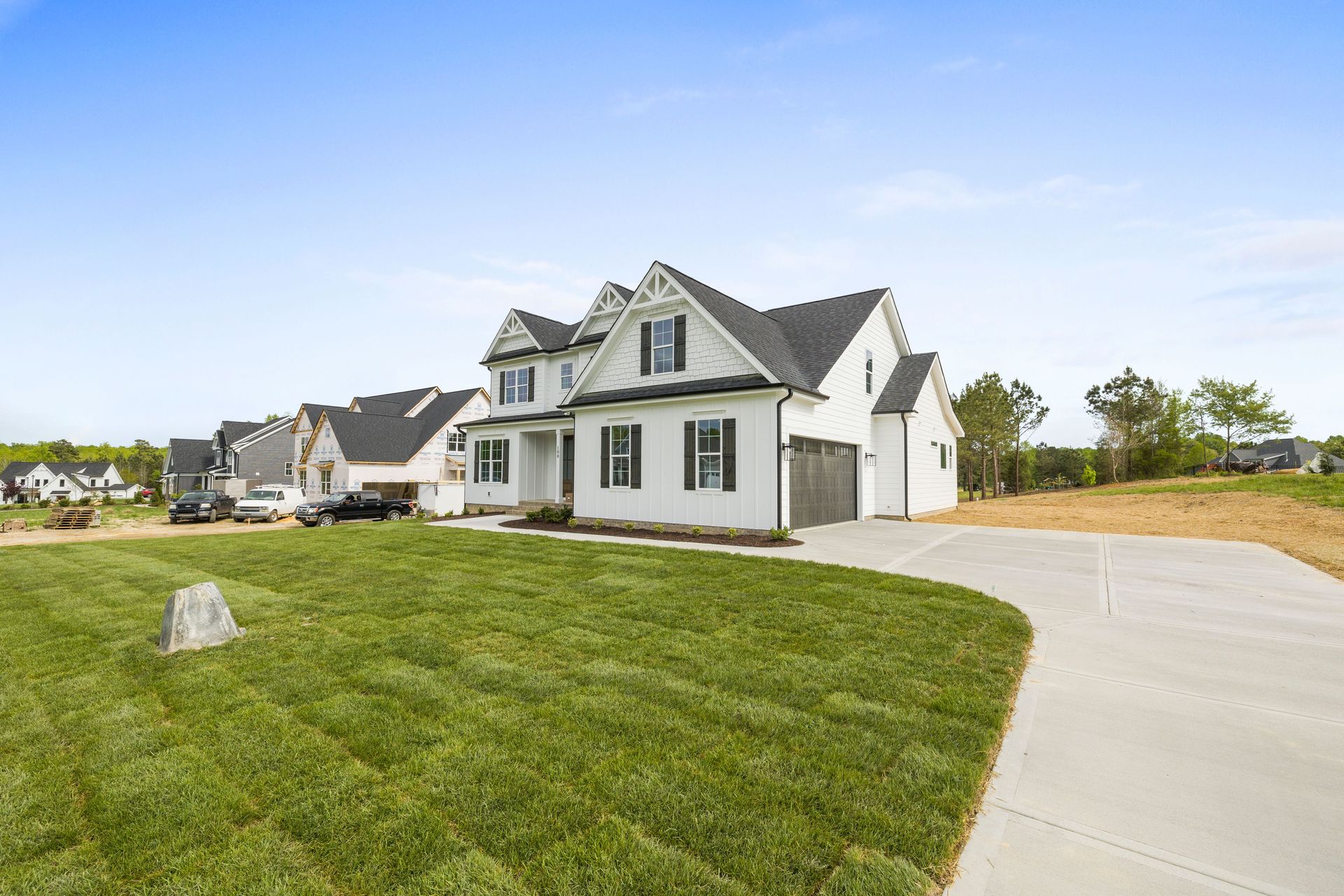
A good lawn starts below the grass.
If the soil is compacted, uneven, or full of construction debris, laying sod or spraying seed over it won't fix the underlying problems.
We spend time preparing the ground so the new grass has a better chance of growing strong roots.
1. Property Visit and Lawn Evaluation
We start by looking at your yard and discussing what you want to accomplish.
We'll check the size of the lawn, sunlight, drainage, soil conditions, and any existing grass that needs to be removed.
We'll also ask how the lawn will be used.
A backyard where children play every day may need a different grass mix than a shady front lawn.
2. Removing Old Grass and Debris
If you're replacing an existing lawn, the old grass and weeds may need to be removed.
For new construction properties, we may need to clear rocks, roots, and leftover building materials.
We also look for areas where the soil has been compacted by heavy equipment.
3. Grading and Soil Preparation
Next, we prepare the soil and establish the proper grade.
Grading helps create a smooth lawn surface and directs water away from buildings.
Depending on the condition of the site, this may involve loosening compacted soil, adding suitable topsoil, and incorporating soil amendments based on testing.
For many lawns, a good growing area includes roughly 4 to 6 inches of suitable topsoil, although the amount needed depends on existing conditions.
We also remove large rocks and smooth the surface before installation.
4. Sod Installation or Hydroseeding
Once the ground is ready, we install the lawn using the selected method.
For sod, we lay the pieces closely together, stagger the seams, and make sure the grass has good contact with the prepared soil.
For hydroseeding, we apply the seed mixture evenly across the area using equipment designed for the job.
The grass species and seed mixture should match the site's sunlight, moisture, and expected use.
5. Watering and Establishment
New grass needs careful watering.
Fresh sod must stay moist while its roots grow into the soil below.
Hydroseeded areas need enough moisture for seed germination without washing seed away or leaving the ground saturated.
We'll explain the watering schedule for your lawn and how to adjust it based on the weather.
6. First Mowing and Ongoing Care
Once the grass is established enough, it's time for the first mowing.
For sod, that usually means waiting until the roots have taken hold.
For hydroseeded lawns, mowing begins when the new grass reaches the recommended height and the soil is firm enough to support the mower.
Our lawn care and weekly mowing services can help you maintain the new grass as it grows.
Book a free consult
Tell us about your dream yard
When Is the Best Time to Install a New Lawn in Massachusetts?
Timing makes a big difference when starting a lawn in New England.
Most lawns in Norwell and the surrounding South Shore towns use cool-season grasses, such as Kentucky bluegrass, perennial ryegrass, and fine fescues.
These grasses generally grow best when temperatures are moderate.
Early Fall: An Excellent Time for Hydroseeding
Late August through September is often one of the best times to establish a seeded lawn in Massachusetts.
The soil is still warm enough for germination, while cooler air temperatures reduce some of the stress on young grass.
Fall also tends to bring fewer problems with summer heat.
The exact planting window depends on the weather and how much time remains before freezing conditions arrive.
Spring: Another Good Option
Spring can also work well for new lawns.
As the soil warms up, grass seed begins to germinate and sod can establish roots.
However, spring lawns may face more weed competition and need extra attention as summer approaches.
Summer: Possible With Careful Watering
Sod can sometimes be installed during summer, but hot weather makes establishment more demanding.
New sod can dry out quickly, especially during a heat wave.
Hydroseeding during the hottest part of summer is often more difficult because young seedlings are sensitive to heat and dry soil.
We recommend planning installation around the weather and your ability to keep the lawn watered.
How Much Does Sod Installation or Hydroseeding Cost in Norwell, MA?
The price of a new lawn depends on the size of the area, the installation method, and how much preparation the property needs.
A flat yard with good soil is usually less expensive to work on than a sloped property that needs grading, debris removal, or new topsoil.
Here are broad planning estimates for professionally installed lawns in Massachusetts:
- Hydroseeding on prepared soil: $0.15–$0.50 per sq. ft.
- Sod installation on prepared soil: $1.50–$3.50 per sq. ft.
- Lawn removal and soil preparation: Additional cost based on site
- Major grading or topsoil installation: Custom estimate
These are general budgeting estimates, not confirmed Presidential Park Landscape prices. Small projects, site access, soil preparation, and material costs can affect the final price.
What Affects Lawn Installation Pricing?
- Lawn size: Larger areas require more seed, sod, materials, and labor.
- Soil condition: Compacted or poor-quality soil may need additional preparation.
- Grading: Uneven ground or drainage problems can add work.
- Old lawn removal: Removing existing grass, weeds, roots, and debris increases labor.
- Topsoil: Some properties need new soil before installation.
- Site access: Narrow gates, slopes, and difficult terrain can affect equipment use.
- Installation method: Sod usually costs more upfront than hydroseeding.
We'll visit your property and provide an estimate based on the actual conditions.
Call 781-659-2645 to discuss sod installation or hydroseeding for your property.
Replacing a Patchy or Damaged Lawn
Sometimes an existing lawn can be improved with overseeding and better maintenance.
Other times, starting fresh makes more sense.
You may want to consider lawn replacement if:
- Large areas of grass have died
- The lawn has extensive bare patches
- Weeds have taken over most of the yard
- The soil is heavily compacted
- Construction equipment has damaged the lawn
- Drainage problems have left the ground uneven
- You want to change the shape or layout of your yard
Before replacing a lawn, it's worth finding out why the old grass struggled.
For example, if a yard gets very little sunlight, installing the same type of grass may lead to the same problems.
We'll look at the conditions and discuss whether sod, hydroseeding, or another landscape solution is a better fit.
Caring for Your New Lawn After Installation
A newly installed lawn needs more attention than established grass.
The first several weeks are especially important.
Watering New Sod
Fresh sod needs consistent moisture while the roots establish.
During the first week or two, watering may be needed daily or more often in hot, windy weather.
The goal is to keep the sod and underlying soil moist without creating puddles.
As roots grow deeper, watering can gradually become less frequent.
Watering a Hydroseeded Lawn
Hydroseeded areas need frequent, light watering during germination.
Letting the surface dry out completely can harm newly germinating seed.
Once the grass begins growing, watering can gradually shift toward deeper, less frequent applications.
The schedule will depend on the weather, soil, and grass mixture.
When Can You Walk on a New Lawn?
It's best to limit foot traffic while new grass is established.
Sod may be ready for light use after a few weeks once it has rooted well.
Hydroseeded lawns often need longer before they can handle regular activity.
Heavy use too early can damage young grass and disturb the soil.
When Should You Fertilize?
Fertilizer needs depend on soil conditions and the type of grass.
A soil test can help identify which nutrients are needed.
Adding too much fertilizer can harm new grass or contribute to runoff, so it's better to follow a suitable lawn establishment plan rather than guessing.
New Lawn Installation for Homeowners and Businesses
We provide sod installation and hydroseeding for residential and commercial properties throughout the South Shore.
For homeowners, a new lawn can be part of a backyard renovation, new home construction, or a larger landscape improvement project.
For commercial properties, lawn installation can help restore disturbed areas after construction or improve the appearance of entrances and common spaces.
We can also combine lawn installation with other landscaping services, including:
- Landscape design and installation
- Shrub and tree planting
- Retaining wall installation
- Stone walkway installation
- Patio installation
- Seasonal yard cleanups
If you're updating several parts of your property, planning the work together can help avoid disturbing a newly installed lawn later.
Sod Installation and Hydroseeding Across the South Shore
Presidential Park Landscape is based in Norwell, MA, and provides new lawn installation services throughout the South Shore.
We serve:
- Norwell, MA
- Hingham, MA
- Scituate, MA
- Hanover, MA
- Cohasset, MA
- Marshfield, MA
- Duxbury, MA
- Weymouth, MA
- Rockland, MA
- Pembroke, MA
- Hull, MA
- Braintree, MA
- Kingston, MA
- Plymouth, MA
Whether you're starting a lawn at a new home in Norwell, replacing worn-out grass in Hingham, or hydroseeding a larger property in Hanover, we'll help you choose the right approach for your yard.
Frequently Asked Questions About Lawn Installation
Is sod or hydroseeding better for a new lawn?
Both methods can produce a healthy lawn. Sod gives you immediate green coverage and usually establishes faster, while hydroseeding costs less upfront and works well for larger areas. The best choice depends on your budget, schedule, soil conditions, and watering plans.
How long does hydroseeding take to grow?
Some grass varieties may begin germinating in about 5 to 14 days under favorable conditions, while others take several weeks. A hydroseeded lawn often needs several weeks to fill in and a few months to become well established. Temperature, moisture, and grass species affect the timeline.
How long does sod take to root?
New sod often begins rooting into prepared soil within 10 to 14 days when conditions are favorable. Stronger establishment can take several weeks. You should limit traffic until the sod has rooted well enough that it doesn't lift easily.
Can you install sod over an existing lawn?
It's generally not recommended. Existing grass and thatch can prevent new sod from making good contact with the soil. Removing the old lawn and preparing the ground provides a better foundation for new sod.
What is the best month for hydroseeding in Massachusetts?
Late August and September are often excellent months for hydroseeding cool-season lawns in Massachusetts. Spring is another option. The best timing depends on soil temperature, weather, and how much growing time remains before winter.
Do you provide lawn mowing after installation?
Yes. Presidential Park Landscape offers lawn care and weekly mowing services throughout Norwell and the South Shore. We can discuss ongoing maintenance once your new lawn is ready for regular mowing.